Water pressure guide
How to fix low water pressure in your house: safe checks and plumber help
Low water pressure can mean a weak shower, a slow kitchen tap or poor flow throughout the house. The fastest way to narrow it down is to compare fixtures and check whether the issue affects cold water, hot water or both. Do not adjust a pressure regulator, boiler setting or install a booster pump yourself. The cause may be with the water supplier, inside one fixture or in the plumbing.
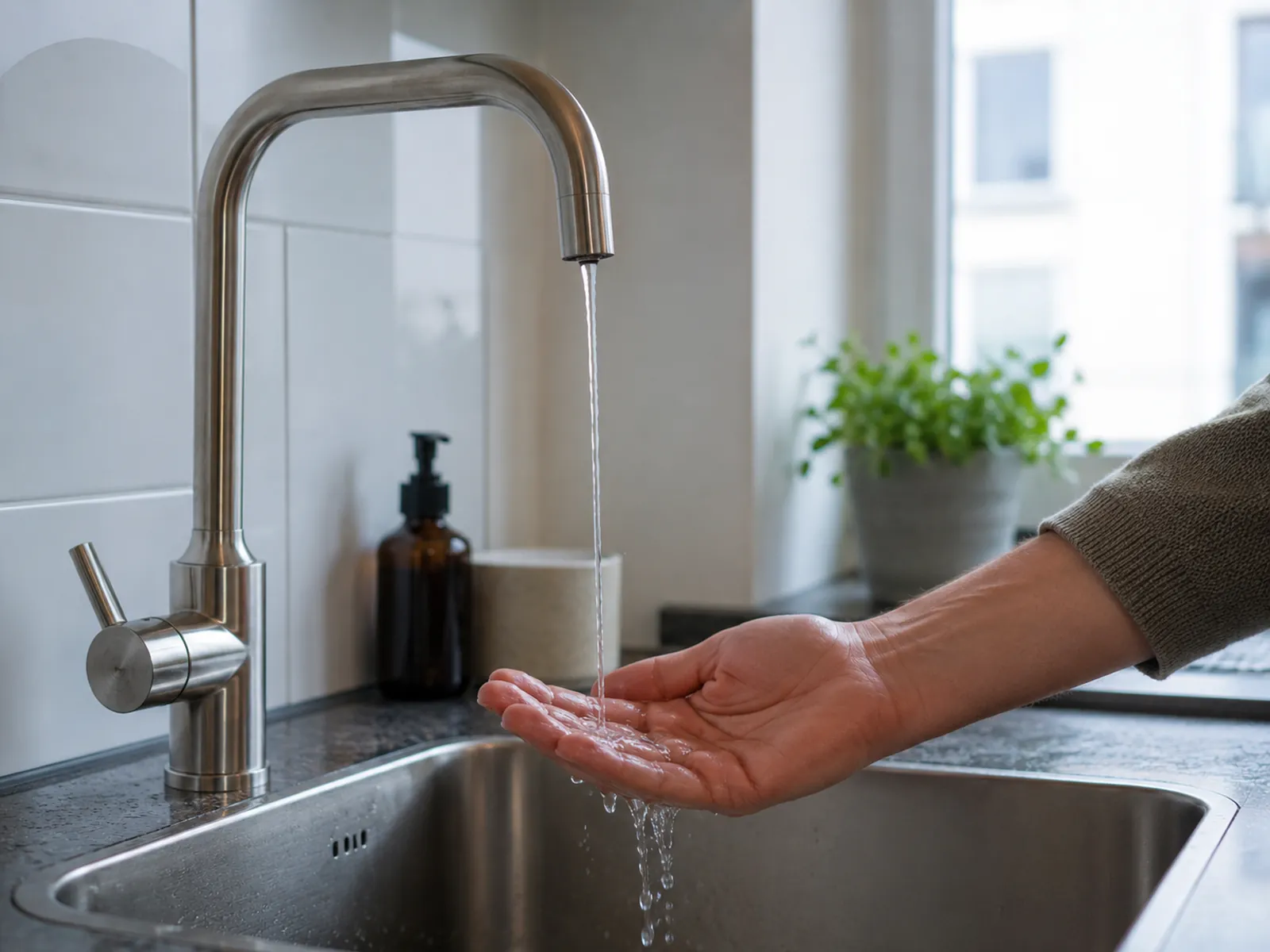
How to fix low water pressure safely: start with these checks
- Check for a known water outage or works in your area through your water supplier or Waterstoring.nl. Ask a nearby neighbour whether their water pressure is also low.
- Compare two cold-water taps in different rooms. This helps show whether the issue is one fixture or the whole house.
- Compare hot and cold water at the same mixer tap. If only hot water is weak, the problem may relate to the hot-water system rather than the incoming water supply.
- Look at the main shut-off valve only if you know its location. Confirm it has not been partly closed, but do not force a stiff valve or dismantle it.
- Check an accessible tap aerator or shower head for limescale and debris. Follow the fixture manufacturer instructions before removing any part.
Write down when the low water pressure began, which taps are affected, and whether it is constant or changes at certain times. This information is useful for the water supplier or plumber.
Water pressure and flow are not the same
Water pressure is the force available in the water pipe. Flow rate is how much water reaches the tap or shower head in use. A clogged aerator, showerhead or narrow hose can reduce the flow of water at one fixture even when water pressure throughout the home is normal.
That distinction is why a pressure gauge, generic online PSI advice or a booster pump is not a first DIY fix. A professional can test the water pressure issue at the right point and decide whether the problem is the municipal water supply, a water main, a valve or plumbing inside your home.
What causes low water pressure in your house?
Common reasons include a local supply outage, a partly closed valve, a clog at one fixture, mineral build-up, a plumbing leak or ageing water pipes. The safe way to fix low water pressure is to identify which of these patterns fits your home before changing equipment or settings.
When does low water pressure become a plumbing issue?
One water pressure issue can be limited to a fixture, while pressure issues across the whole house may point to a supply or plumbing issue. These water pressure problems need a careful check rather than a quick pressure adjustment.
When low water pressure needs urgent attention
Arrange prompt help if pressure dropped suddenly and you can hear water running, see damp patches, find a wet floor or wall, or your water meter appears to keep moving while all water use is off.
These signs may point to a leak after the water meter or in your home plumbing. If water is causing damage or approaching electrics, use the supply shut-off only if you can do so safely and contact a plumber. Do not break into a wall, floor or pipe to find the leak.
Is it one tap or the whole house?
Low pressure at one tap or shower
When only one tap has low flow, an aerator, shower head, flexible hose, local valve or the tap itself may be restricted. Limescale can reduce water flow at the outlet even when the water pressure in the pipe is normal.
Clean only removable, accessible parts according to the manufacturer guidance. If cleaning does not help, or the tap leaks after reassembly, stop and ask for a plumbing assessment.
Low pressure at several fixtures
If several taps and the shower have low pressure, compare cold water first. A local outage, work by the water supplier, a main valve that is not fully open, a shared building supply or a restriction in the internal pipework may be involved.
Do not assume the water supplier is responsible for every whole-house problem. The location of the water meter and the ownership boundary can vary by property and tenancy. Your supplier can explain its network status; a plumber can assess the plumbing after the supply point.
Low pressure on hot water only
If cold water is normal but hot water is weak, the fault may be connected to the water heater, boiler, control valve or a local hot-water connection. Do not open a boiler casing, alter its internal settings or work on combustion equipment. Record any display message and contact an appropriate heating or plumbing professional.
Common causes of low water pressure
A local water supply issue
Works, a fault or an outage can temporarily reduce water pressure. Check your water company or provider's service messages before arranging private work. If nearby homes are affected too, this is an important clue. In some areas the municipal water supply or water main may be the cause; in others, the restriction starts after the property supply point.
A partly closed or faulty valve
A main stop tap, internal stop or local valve that is not open fully can limit water flow. A water-meter valve can also be relevant, depending on the property. Valves can seize with age. Look, but do not force or repeatedly turn an unfamiliar valve.
A partially closed valve can create lower pressure at several fixtures. Do not use a quarter turn as a generic adjustment rule: the correct valve position depends on the fitting and your plumbing system.
Limescale or debris at the outlet
An aerator, filter or showerhead can collect debris. Hard water can leave mineral buildup at an outlet. This commonly affects one fixture rather than every tap in the house. Use the product instructions and keep track of seals and parts during any permitted cleaning.
A leak in the plumbing
A leak can reduce available water pressure and cause moisture damage. Plumbing leaks may be visible beneath a sink, near a pipe or at a wall or floor. They may also be hidden. A moving water meter when all fixtures are off is a reason to seek professional advice, not to start opening surfaces.
Restricted or ageing pipework
Older plumbing, a shared supply arrangement or a restriction in a pipe can affect water flow. Diagnosis may need measurements and access that are not suitable for a DIY repair.
Checks that are safe, and checks to leave alone
You can compare fixtures, check published outage information, remove visible limescale from a manufacturer-approved aerator and look for obvious leaks. You can also take a photo of a water meter reading before and after a period with no water use, if the meter is accessible and you can read it safely.
Leave pressure-regulator adjustments, booster pumps, pipe alterations and work inside a boiler to a professional. Increasing pressure without knowing the system can create leaks or damage fittings. A stronger shower is not proof that the underlying plumbing is safe.
When pressure problems need a plumbing assessment
Low water pressure throughout a house can have more than one cause. A plumber may check the supply pipe, accessible valves, the water meter position and signs of a restriction or leak outside the home and inside your home. These plumbing checks are different from simply cleaning a faucet or replacing a shower head.
If pressure issues begin after plumbing work, a move, an internal stop change or a new appliance, tell the professional. That detail can help solve the pressure problem without unsafe plumbing fixes. Do not use a pressure setting intended for another country or system as a target for your home.
When should I call a plumber for low water pressure?
Call a plumber when the water pressure in your home drops suddenly, several taps and showerheads have low flow, or you find evidence of a leak. Do not try to correct high water pressure or low pressure with an unfamiliar regulator. Both can affect your water pressure and need the right diagnosis.
Who should deal with the problem?
Use this simple split to decide what to do next:
- Known outage or neighbours affected: contact the water supplier and follow its update.
- One weak tap or shower: clean approved accessible parts first; use a plumber if the restriction remains or the fixture leaks.
- Sudden loss of pressure with signs of a leak: choose a provider for leak repair.
- Hot water only is weak or the boiler shows an error: arrange a qualified heating or plumbing professional; do not open the appliance.
- Several fixtures are weak with no supply outage: a plumber can assess the internal plumbing and valves.
Before booking, record the affected rooms, hot versus cold behaviour, recent work, visible moisture and water-meter observations. For price research, see the separate leak repair cost guide. This prevents a diagnostic guide from giving a generic price that may not match the cause.
Preventing future flow problems
- Clean aerators and shower heads only as their manufacturer recommends.
- Know where the main shut-off valve is before an emergency, without repeatedly turning it.
- Act quickly on damp cupboards, wall marks or unexplained water use.
- Keep plumbing alterations and pressure changes for a qualified professional.
- Keep supplier outage pages handy for your address.
Sources
Related content
Frequently asked questions
Answers to common questions.
What should I do when water pressure suddenly drops?
Check supplier outage information and compare another cold tap. If you see moisture, hear unexplained running water or suspect a leak, stop using water where practical and arrange professional help.
Why is my shower pressure low but the kitchen tap is fine?
The shower head, hose, aerator or local fixture may be restricted by limescale or debris. Follow the manufacturer instructions for accessible cleaning. If the problem continues, a plumber can inspect the fixture and its supply.
Can I increase water pressure myself?
Do not change a pressure regulator or add a booster pump yourself. The right solution depends on where the restriction is and how the plumbing is designed.
Why is hot-water pressure lower than cold-water pressure?
The issue may be related to the hot-water appliance, a valve or the hot-water pipework. Do not open a boiler or alter its internal settings; record the symptom and seek a qualified assessment.
Does low pressure always mean there is a leak?
No. It can be caused by an outage, a restricted outlet or a valve issue. Sudden pressure loss together with dampness, running-water sounds or unusual meter movement needs prompt investigation.