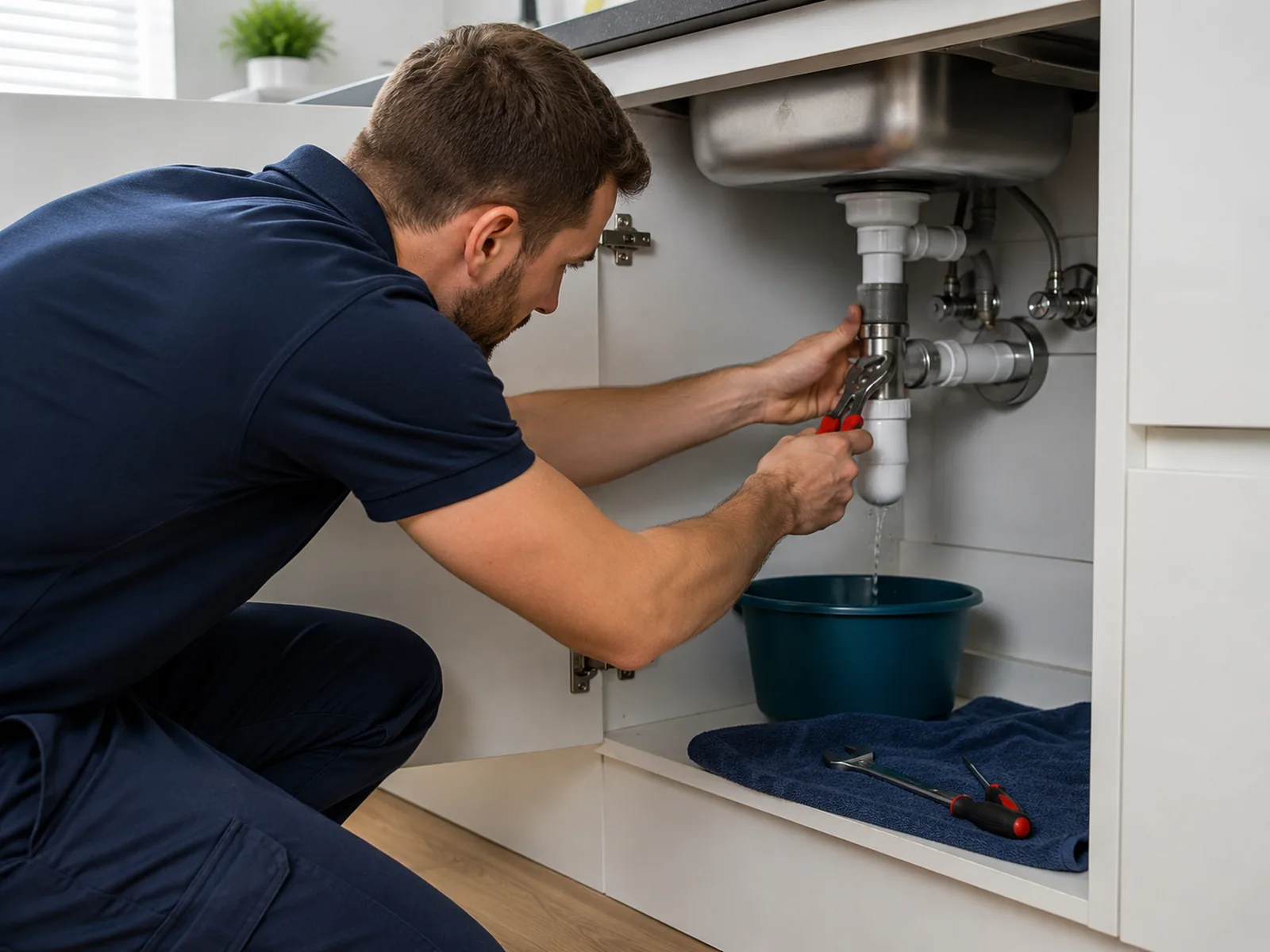

Leak Repair Costin the Netherlands: 2026 Pipe and Detection Prices
The leak repair cost in the Netherlands depends on whether the source is visible or hidden. A simple repair to an accessible leaking pipe often costs about €150 to €300. When the source is unclear, professional leak detection costs commonly fall around €350 to €600 for a standard investigation. More complex testing, opening work, pipe replacement and restoration can increase the total cost.

By Arek
Updated August 2, 2026 · 14 min read
Leak repair cost overview
The table gives a practical overview of common water leak repair costs in the Netherlands.
| Type of work | Indicative price |
|---|---|
| Basic visual inspection | €75–€150 |
| Simple accessible pipe leak repair | €150–€300 |
| Standard non-destructive leak detection | €350–€600 |
| Leak detection report | Included or €50–€150 extra |
| Detection plus a simple pipe repair | €500–€1,000 |
| Hidden leak with opening and pipe repair | €750–€2,000+ |
| Emergency evening or weekend visit | Higher rate or surcharge |
| Drying, drywall repair, plaster, tiles or flooring | Quoted separately |
These are not national tariffs. One provider may offer a fixed detection package, while another charges an hourly rate. Some prices include travel, testing and a report. Others exclude VAT, parking, extra methods or a second visit.
Leak detection and leak repair are separate costs
Leak detection identifies the source. Leak repair stops the water loss by fixing or replacing a pipe, fitting, valve, seal or connection.
A detection specialist may deliver a report but not carry out the plumbing repair. A plumber may repair a visible water leak but may not have thermal imaging, acoustic equipment or tracer gas. Ask whether one provider handles both stages.
Average cost to fix a visible leaking pipe
The average cost to repair a leaking pipe is usually lower when the damaged section is visible and easy to reach. Examples include a leaking fitting below a sink, an accessible water line, a faulty shut-off valve or a small heating-pipe leak.
A minor leak may be completed during one visit. The price rises when a longer section of pipe must be replaced or when corrosion suggests a wider problem in the plumbing system.
Hidden leak detection cost
A hidden leak behind a wall, below a floor or above a ceiling often requires specialist testing. The cost range depends on the size of the search area, the number of systems tested and whether a written report is required.
A leak below a concrete floor is sometimes described as a slab leak. In Dutch homes, it may involve a water pipe, central-heating line or underfloor-heating circuit.
What affects the cost?
The main leak repair cost factors are the location of the leak, its severity, the type of pipe, access and the complexity of the repair. A damp patch is not always directly below the source.
Location and severity of the leak
An exposed pipe below a sink is easier to repair than a pipe inside a tiled wall or concrete floor. Water can travel along beams, insulation and pipework before it becomes visible.
A small leak at one fitting usually costs less than a major leak or burst pipe. The longer a leak runs, the greater the risk of water damage, indoor mold and higher restoration costs.
Signs of a hidden plumbing leak
Common warning signs include:
- damp or discoloured walls and ceilings;
- bubbling paint or wallpaper;
- a musty smell;
- water on the floor without a clear source;
- falling boiler pressure;
- lower water pressure;
- the sound of water when taps are closed;
- an unexplained rise in the water bill;
- mold near a bathroom, kitchen or pipe route.
These signs do not prove the exact cause. A roof, drain, appliance or condensation problem can create similar symptoms.
Type and age of the pipe
Copper, steel, plastic and multilayer pipes require different repair methods. Older pipes may have corrosion or several weak points.
A provider may advise:
- replacing a fitting;
- cutting out a damaged pipe section;
- fitting a repair coupling;
- replacing a valve;
- renewing a longer water line;
- pressure-testing the system after repair.
Ask whether the proposal is a permanent pipe repair or a temporary measure.
The leak detection cost can rise when several methods are required. Common methods include:
- moisture measurement;
- thermal imaging;
- acoustic leak detection;
- pressure testing;
- tracer gas;
- endoscopic camera inspection;
- ultraviolet dye;
- water-meter and water-flow checks.
No single method works for every type of leak. The specialist should explain why the selected method suits the suspected system.
Access and opening work
A leak inside a wall, ceiling or floor may require opening work after detection. The quote should state who opens the structure and who restores it later.
The cost to fix a leaking pipe can increase when cabinets, tiles, concrete, flooring or insulation must be removed. Drywall repair, plastering, painting and floor restoration are often separate.
Repair or replacement
A local pipe leak repair can be suitable when the rest of the pipe is sound. Pipe replacement may be more practical when several leaks, serious corrosion or old materials are found.
Ask the provider to explain the difference between repair or replacement costs. Replacing more pipe now can cost more initially but may reduce repeat repair work.
Hourly rate, fixed price or detection package?
Providers use different pricing models. A fixed price is easier to compare only when the scope is clear.
Hourly plumber rate
An hourly rate is common for a visible plumbing leak or repair with an uncertain duration.
The quote should show:
- call-out fee;
- hourly labour rate;
- minimum charging period;
- travel and parking;
- materials;
- VAT;
- evening or weekend surcharge;
- how extra time is approved.
A low hourly rate does not guarantee a low total cost when access or diagnosis takes longer.
Fixed leak detection package
A specialist may offer a fixed package for one standard investigation. Check whether it includes:
- travel;
- one or more detection methods;
- a stated appointment length;
- photos and measurements;
- a written report;
- repair advice;
- contact with an insurer or property manager;
- a second visit.
Ask what happens when the leak is not found within the standard package.
Once the source is known, a plumber may provide a fixed pipe leak repair cost. The quote should identify:
- the exact pipe or fitting;
- the repair method;
- labour and materials;
- opening work;
- testing;
- cleanup;
- VAT;
- exclusions.
Do not approve open-ended repair work without knowing when a new price must be agreed.
Emergency leak repair cost
A burst pipe or active major leak may require urgent action. Evening, night and weekend visits usually cost more.
SkilledContractors does not guarantee immediate attendance or 24-hour availability. Each provider sets their own hours and response time.
Before the provider travels, ask for the call-out fee, emergency rate, minimum charge and maximum authorised amount. ACM ConsuWijzer warns that unclear urgent-service pricing can lead to unexpectedly high bills.
Example prices
These examples show why the total cost of plumbing repairs can vary. They are not fixed offers.
Minor leak below a sink
A small leak caused by a fitting, valve or siphon may cost about €150 to €300 when it is accessible and can be repaired during one visit.
Confirm whether travel, VAT and a small replacement part are included.
Hidden pipe leak behind a wall
Professional detection may cost around €350 to €600. Opening the wall, repairing the water pipe and restoring plaster or tiles are extra.
The overall cost can reach €750 to €2,000 or more, depending on the damage and access.
Bathroom leak repair cost
A bathroom leak can come from a supply pipe, drain pipe, shower connection, seal, toilet or waterproof layer. The plumbing repair cost does not automatically include tiles, waterproofing, grout, sealant or drying.
A visible fitting may be a minor repair. A hidden bathroom leak can require detection and restoration.
Heating or underfloor leak
A heating-line leak can require pressure testing, thermal imaging or tracer gas. The system may need to be drained and filled again.
An underfloor leak can cost more because the floor must be opened at the detected point. Detection can reduce the opening area, but floor repair remains separate.
Main water line leak
A main water line leak can affect water pressure and water flow throughout the property. The repair may involve digging, opening a floor or replacing a longer pipe section.
The provider should separate detection, pipe replacement, ground or floor work and reinstatement.
Burst pipe repair
Fixing a burst pipe can involve urgent isolation, removing standing water, replacing the damaged section and checking nearby joints. Water damage cleanup can exceed the direct pipe repair cost.
A burst pipe near electrical equipment or a ceiling requires extra care. Keep away from unsafe areas and limit the water supply when it is safe to do so.
What is included?
A professional leak-detection visit may include:
- discussion of the symptoms;
- visual inspection;
- moisture readings;
- checking meter movement or pressure loss;
- one or more non-destructive tests;
- identification of the likely source;
- photos or measurement results;
- a written report;
- repair advice.
A simple leak-repair quote may include:
- travel within the stated service area;
- labour for the agreed repair;
- small fittings or seals;
- shutting off and restoring the water supply;
- testing after repair;
- basic cleanup;
- VAT when stated.
What should a leak detection report contain?
A useful report can include:
- property and inspection details;
- affected rooms and symptoms;
- methods used;
- readings;
- the likely or confirmed source;
- photos or thermal images;
- repair advice;
- access recommendations;
- limits of the inspection.
An insurer, landlord or VvE may ask for the report before approving further work.
How long does detection and repair take?
A standard detection visit often takes around one to three hours. A simple exposed pipe repair may take one or two hours. A hidden or major leak can require several visits.
The time it takes to fix the leak depends on access, drying, materials and whether restoration is required.
A standard detection or leak repair price often excludes:
- opening large wall or floor areas;
- drying machines;
- mold treatment;
- drywall repair, plastering and painting;
- replacing tiles or flooring;
- cabinet or kitchen repair;
- roof repair;
- major pipe replacement;
- repair of several unrelated leaks;
- a second inspection;
- insurance excess or policy exclusions;
- guaranteed insurance reimbursement;
- guaranteed prevention of future leaks;
- attendance within a fixed time.
Finding the source does not mean the complete repair can always be finished during the same visit.
Consequential water damage
Damage to ceilings, walls, floors, insulation and furniture is separate from fixing the cause of the leak.
Ask the insurer which costs may be covered before ordering non-urgent restoration. Policy terms differ, and SkilledContractors cannot guarantee payment.
Roof and gas leaks
A roof leak usually needs a roofing specialist. This guide focuses on water leaks in plumbing and heating systems.
A suspected gas leak is not a normal water-leak job. Leave the area, avoid switches or flames and follow the emergency instructions of the Dutch gas network operator or emergency services.
Saving tips
Quick action and a clear written scope can limit water damage and control the total cost.
What to do before the provider arrives
When it is safe:
- close the main water valve;
- switch off the affected appliance;
- catch dripping water;
- move furniture and valuables;
- photograph the leak and damage;
- note the water-meter reading;
- contact the landlord, VvE or insurer when relevant.
Do not touch wet electrical equipment.
Can you fix a small leak yourself?
A competent person may be able to tighten an accessible fitting or replace a simple seal. Temporary repair tape or a clamp may limit a minor leak until a plumber arrives.
Do not open walls, repair a pressurised hidden pipe or work near electricity without the right skills. A poor DIY repair can create more water damage and may affect insurance discussions.
Share clear information
Tell the provider:
- when the leak started;
- when the damp mark grows;
- which rooms are affected;
- whether boiler pressure drops;
- whether the water meter moves when taps are closed;
- whether water pressure has changed;
- the age and type of property;
- access restrictions.
Add clear photos or a short video.
Contact the insurer before non-urgent work
Some policies may cover leak detection or consequential damage. The cause of the leak may not be covered.
Ask whether approval is required, whether a specific report is needed and whether an excess applies. Do not assume reimbursement.
Compare the same scope
Compare the same stages in every quote:
- detection;
- report;
- plumbing repair;
- opening work;
- testing;
- drying;
- surface restoration;
- travel;
- VAT;
- urgent-work charges.
A cheap detection quote can become expensive when the report or extra methods are excluded.
Local costs and call-out charges
Travel, parking and local availability can change the cost to hire a plumber.
Large Dutch cities
In Amsterdam, Rotterdam, The Hague and Utrecht, the provider may charge for paid parking, travel time, difficult apartment access or coordination with a property manager.
Ask whether parking and call-out charges are included.
Rental home
Report serious leaks to the landlord in writing. Dutch government guidance states that large repairs are generally the landlord's responsibility, while small daily repairs may belong to the tenant.
The cause and tenancy agreement still matter. Read the official Rijksoverheid guidance on landlord and tenant maintenance costs.
Apartment and VvE
The apartment owner is often responsible for private pipework. The VvE may be responsible for shared pipes and common building elements.
Contact the VvE before opening a shared wall, riser or floor.
Urgent-work pricing
An active leak leaves less time to compare providers. Ask for the company name, KVK details, call-out fee, hourly rate and maximum approved amount.
The official ACM ConsuWijzer guide to urgent repair companies explains how to reduce the risk of an unexpectedly high bill.
Frequently asked questions
Answers to common questions.
How much does it cost to fix a leak?
A simple accessible repair often costs about €150 to €300. A hidden leak costs more because detection, opening work, repair and restoration are separate stages.
How much does leak detection cost?
A standard professional investigation often costs around €350 to €600. Complex tracer-gas testing, a large property or several systems can cost more.
Are leaks expensive to fix?
A minor visible leak may be relatively inexpensive. A major or hidden leak can become costly because of access, pipe replacement and water damage.
Is leak detection included in the repair price?
Not always. The detection specialist and plumber may be different providers. Ask whether the quote covers both finding and repairing the leak.
How much does a pipe leak repair cost?
An accessible pipe leak repair often costs around €150 to €300. A pipe behind a wall, floor or ceiling can cost much more.
What causes pipes to leak?
Common causes include corrosion, worn seals, loose fittings, high water pressure, frost damage, poor installation and movement around underground pipes.
What are the signs of a hidden leak?
Watch for damp marks, musty smells, mold, falling boiler pressure, lower water pressure, running-water sounds and a higher water bill.
Can I fix a leak myself?
Only simple, accessible work may be suitable for DIY. Turn off the water and use a temporary measure when safe. Hidden, pressurised or electrical-area leaks need a professional assessment.
How long does leak repair take?
A simple exposed repair may take one or two hours. Hidden leaks, pipe replacement and restoration can take several visits or days.
Does insurance cover leak detection?
Some policies may cover detection or water damage, but coverage depends on the cause, policy, prior approval and excess. Ask the insurer before non-urgent work.
Who pays for a leak in a rental home?
Large repairs are often for the landlord, while small daily repairs may be for the tenant. The cause and tenancy agreement decide responsibility.
Who pays for a leak in an apartment building?
Private pipes may belong to the apartment owner. Shared risers and common pipes may fall under the VvE.
Is emergency leak repair more expensive?
Usually yes. Evening, night and weekend visits can use higher call-out and labour rates.
Can a leak lead to mold?
Yes. Long-term moisture can support mold growth and damage plasterboard, wood and insulation. Early action can limit the damage.
What should a written quote include?
It should separate detection, report, labour, materials, opening work, pipe repair, drying, restoration, travel, VAT and emergency charges.
Compare quotes
For help finding the source and arranging a repair, visit Leak Repair. For broader plumbing prices, read the Plumber Cost Guide. You can also review Plumbing Services. SkilledContractors is a comparison platform. Describe the leak, add photos and compare responses from independent providers. SkilledContractors does not carry out the work, set the final price or guarantee attendance or insurance reimbursement. Agree the scope, price and timing directly with the chosen provider.