Radiator Replacement Cost in the Netherlands: 2026 Prices
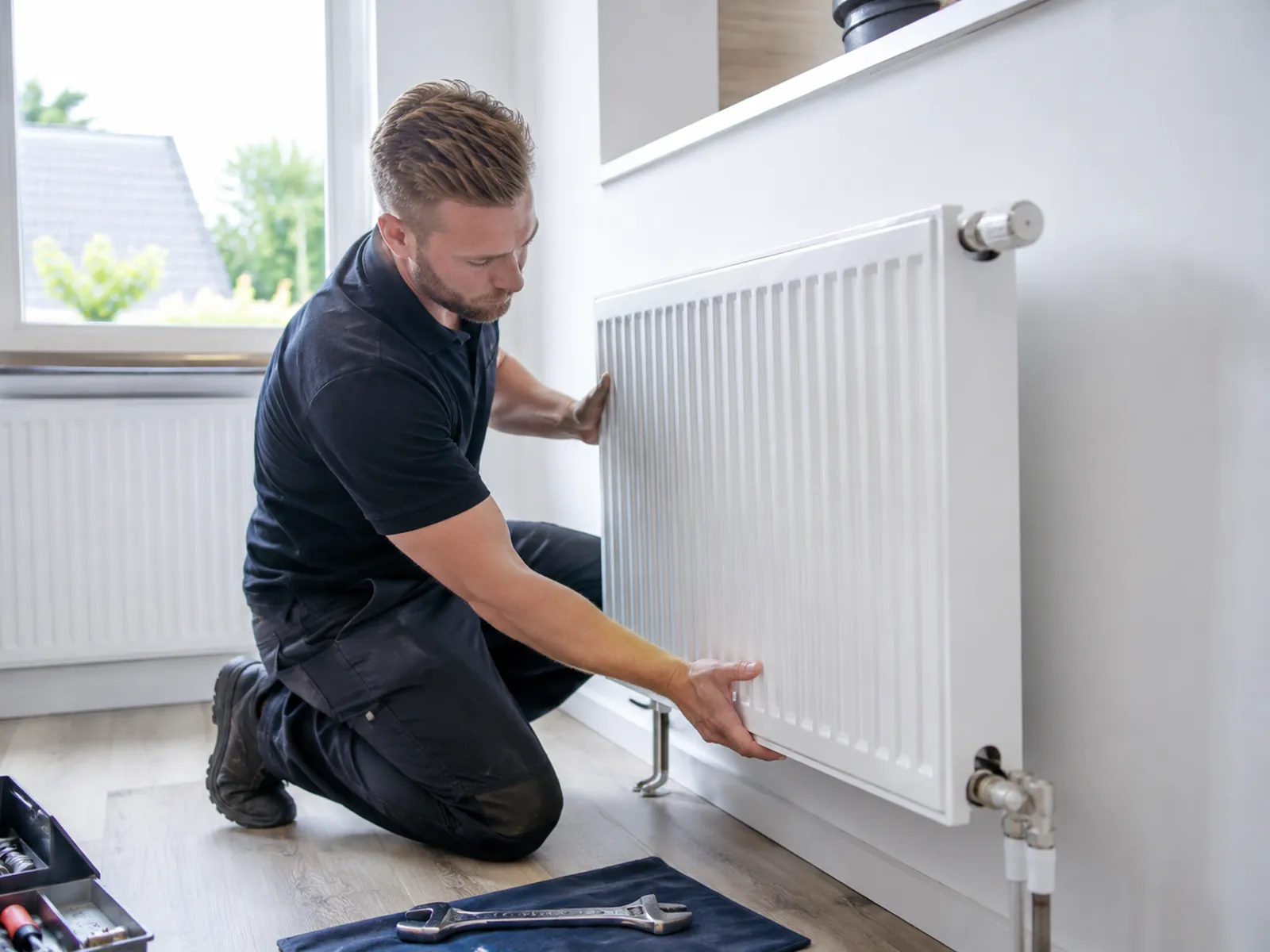
Labour for a like-for-like radiator replacement in the same position is normally €185 to €300 per radiator, excluding the radiator itself. Relocation and pipework changes are charged separately. As Dutch market context, a supplied-and-installed replacement including a standard new radiator commonly totals €250 to €600, and complex work with a designer unit or pipe changes can run to €500 to €1,500 or more. Amounts exclude VAT. Whether VAT is added depends on the contractor: one using the small-business scheme (KOR) charges none.

By Arek
Updated September 11, 2026 · 11 min read
Quick answer
Radiator replacement (labour only, same location)
Excludes the radiator; relocation and pipework extra
€185 – €300 per job
planned, daytime · excl. VAT · VAT depends on the provider
National reference range, not a measured city price.
Amounts exclude VAT. Whether VAT is added depends on the contractor: one using the small-business scheme (KOR) charges none.
- Labour:
- included
- Materials:
- not included
- Call-out:
- depends on the provider
Radiator replacement cost overview
| Type of work | Indicative price (excluding VAT) |
|---|---|
| Labour for like-for-like replacement | €185–€300 |
| Standard panel radiator including installation | €250–€600 |
| Connect or remove one radiator | €140–€200 |
| Move a radiator to another wall | €225–€500 |
| Minor pipework adjustment | €80–€200 extra |
| Replace a radiator valve or TRV | €100–€200 per valve |
| Towel radiator including installation | €280–€750 |
| Design radiator including installation | €450–€1,500+ |
| Wall or floor restoration | Quoted separately |
Only the first row is a reference range from the SkilledContractors pricing model (radiator replacement, labour only, same location). The other rows are market context for differently-scoped work: supplied-and-installed totals, relocation, valves and surface repairs. These are indicative Dutch market ranges. They are not an offer, not a guaranteed price, they do not set your budget and they do not bind a contractor; the final quote can be lower or higher. Amounts exclude VAT. Whether VAT is added depends on the contractor: one using the small-business scheme (KOR) charges none.
The average radiator replacement cost changes with the radiator type and size. Heat output and pipe position also matter. Check whether the quote includes the new radiator, brackets and valves. Also check removal, disposal, refilling, bleeding and testing.
Replacement versus new installation
Replacing a radiator in the same location usually costs less. The existing pipes can remain. Installing a new radiator in another position can require new pipework. Wall openings and finishing work may also be needed.
Panel, design and towel radiators
A standard steel panel radiator is the most common choice in Dutch homes. It works with many central heating systems. A large radiator can cost more. A double-panel or low-temperature radiator can also cost more.
A design or vertical radiator may use different connection positions. It may also need heavier brackets. A towel radiator is common in a bathroom. The size and type of radiator should match the room. It should also suit the heating-water temperature.
Valves and thermostatic controls
The project can include a manual valve or lockshield valve. It may also include a thermostatic radiator valve. Thermostatic radiator valves help control the temperature in individual rooms. Replacing one valve often costs about €100 to €200. Access and pipe condition affect the price.
What affects the cost?
The main cost factors are the radiator type and heat output. Pipe centres, valves and wall condition also matter. The complexity of the job can raise the price.
Heat output and compatibility
The provider should calculate the required wattage. Room size, insulation, desired temperature and heating-water temperature all matter. A modern radiator that is too small may not heat the room properly.
The new radiator must be compatible with the central heating system. It may connect to a boiler, heat pump or shared heating system. Boiler servicing remains a separate scope. See the Boiler Maintenance Cost Guide.
Pipe centres and connection position
A radiator in the same location is easier to replace. The pipe centres and valve positions should match. Extra costs can arise when pipes must change. They may need to be shortened, extended, moved or hidden in a wall or floor.
Rust, corrosion and leaks
A leaking radiator does not always require replacement. A radiator repair may be enough. This applies when only a valve, coupling or bleed point has failed. Replacement may be better when corrosion affects the radiator panel itself. Repeated leaks or poor heat output are other warning signs.
Draining and refilling the system
The installer may need to drain part or all of the heating system. After installation, the system is refilled. The radiator is bled. The connections are then checked for leaks.
One radiator or several
Replacing several radiators in one visit can reduce labour costs. The labour cost per unit may be lower. Travel, setup and system draining can be shared across the project.
Hourly rate, fixed price or project price?
A simple replacement is often quoted at a fixed price. An hourly rate may be used when old pipework is uncertain. Moving several radiators is better suited to a project price.
Labour costs
Labour for replacing a radiator typically costs €185 to €300, excluding the radiator itself. A standard replacement often takes 2 to 3 hours. Difficult access can increase the time. So can a large radiator, pipe relocation or leaks. Amounts exclude VAT. Whether VAT is added depends on the contractor: one using the small-business scheme (KOR) charges none.
Fixed price
A fixed price should list the radiator make and model. It should also show output, valves, brackets and pipework. Removal, disposal, travel, parking and VAT should be clear.
Hourly rate
Ask for the labour rate and minimum charge. Also ask about expected hours and the call-out fee. A low hourly rate does not guarantee a low total cost.
Project price
A project price is useful for several radiators. It also suits a new position or wall and floor work. Keep heating installation and surface restoration as separate lines.
Example prices
Standard panel radiator in the same location
A compatible panel radiator including installation may cost €250 to €600. The lower end assumes usable pipes, normal access and no wall repair. This is a supplied-and-installed total, not the labour-only reference range.
Customer-supplied radiator
If you buy the unit yourself, labour may cost €185 to €300. Ask the plumber or heating installer to confirm the make and model. They should also check the output, connection type and pipe centres before ordering.
Move a radiator
Moving one radiator commonly costs €225 to €500. Major wall, floor or finishing work costs extra. The price depends on the new pipe route. Relocation sits outside the labour-only reference range for a like-for-like replacement.
Design radiator
Replacing a standard unit with a designer radiator may cost €450 to €1,500 or more. Custom colours can raise the installation cost. Large vertical models and non-matching connections can do the same.
Towel radiator
A water-fed towel radiator including installation may cost €280 to €750. New tiling is outside a simple radiator job. For a complete bathroom layout, use the Bathroom Renovation Cost Guide.
Radiator valve replacement
A manual or thermostatic valve replacement may cost €100 to €200 per valve. Several valves fitted in one visit may reduce the labour cost per valve.
These are indicative Dutch market ranges. They are not an offer, not a guaranteed price, they do not set your budget and they do not bind a contractor; the final quote can be lower or higher. Amounts exclude VAT. Whether VAT is added depends on the contractor: one using the small-business scheme (KOR) charges none.
What is included?
A standard radiator replacement may include:
- isolating or draining the heating system.
- removing the old radiator.
- fitting brackets.
- installing the new radiator.
- connecting valves and pipes.
- refilling the system.
- bleeding the radiator.
- restoring pressure.
- checking for leaks.
- testing heat distribution.
- basic cleanup.
Removal and disposal
Removing a radiator from the wall does not always include taking it away. Disposal may be separate. Ask whether disposal, packaging and old valves are included.
Brackets, valves and fittings
A new radiator may not include every bracket, valve or connection fitting. The quote should list manual or thermostatic controls and the lockshield valve.
Testing
The provider should refill and bleed the system. They should check water pressure. The radiator should heat evenly without leaks or damage.
A basic replacement price often excludes:
- moving the radiator.
- major pipe relocation.
- plastering and painting.
- damaged floor or tile repair.
- electrical work.
- complete boiler repair or replacement.
- full central-heating redesign.
- underfloor heating.
- heat-pump installation.
- district-heating shutdown fees.
- emergency surcharges.
- guaranteed energy savings.
Repair versus replacement
Repair is often cheaper when the panel is sound. A valve or fitting may be the only failed part. Replacement is more suitable when an old radiator is corroded. It may also suit repeated leaks or poor heat output.
Wider heating work
This page covers radiator replacement and direct connections. It does not cover a complete new heating system. Boiler installation and underfloor heating are separate.
Saving tips
Keep the same location
A like-for-like replacement normally costs less. The existing pipes can stay.
Confirm output and connection type
Ask the provider to confirm wattage and radiator type. Check the connection position and pipe centres before buying.
Combine several radiators
Replacing several radiators together can reduce travel and setup costs per unit.
Compare the same quote items
Compare radiator supply, labour, valves and brackets. Also compare pipe changes, removal, disposal and refilling. Bleeding, testing, travel, VAT and follow-up terms should be clear.
Can I replace a radiator myself?
DIY work can cause leaks, pressure loss and water damage. Hire a professional when pipes must move. Do the same when the radiator is large or the heating system is shared.
Local costs and call-out charges
Large Dutch cities
Parking and access can raise costs in Amsterdam, Rotterdam, The Hague and Utrecht. Ask whether travel and parking are included.
Rental property
Dutch government guidance treats bleeding and refilling as normal tenant maintenance. Repair and renewal of technical installations are generally landlord responsibilities. Report a defective radiator to the landlord before ordering replacement.
Apartment, VvE and district heating
A private radiator can connect to a shared system. This may include shared risers, block heating or district heating. Ask whether a shutdown procedure is required. The VvE, landlord or system manager can confirm this.
VAT
Ask whether VAT is added. Where a contractor charges VAT, plumbing and heating installation work falls under the standard 21% rate. The reduced 9% rate covers work such as insulating, painting, plastering and wallpapering in homes older than two years, not radiator installation. Amounts exclude VAT. Whether VAT is added depends on the contractor: one using the small-business scheme (KOR) charges none.
Frequently asked questions
Answers to common questions.
How much does it cost to replace a radiator?
Labour for a like-for-like replacement in the same position is normally €185 to €300, excluding the radiator. Supplied and installed with a standard new unit, Dutch market totals commonly land around €250 to €600. Amounts exclude VAT. Whether VAT is added depends on the contractor: one using the small-business scheme (KOR) charges none.
What is the labour cost to replace a radiator?
Labour costs often fall around €185 to €300, excluding the radiator itself. That is the range for a like-for-like replacement in the same position. Amounts exclude VAT. Whether VAT is added depends on the contractor: one using the small-business scheme (KOR) charges none.
How much does it cost to install a radiator?
Installation in an existing location may fall within the normal replacement range. A new location needs new pipework and finishing work, so it is quoted per project rather than at a per-radiator price.
How long does replacing a radiator take?
A straightforward replacement usually takes 2 to 3 hours.
Is it cheaper to replace or repair a radiator?
Repair is cheaper when only a valve or fitting is faulty. Replacement may be better for corrosion, repeated leaks or insufficient heat output.
Is replacing a radiator a big job?
A compatible unit in the same location is moderate work. Moving pipes or opening walls makes the job more complex.
When should an old radiator be replaced?
Consider replacement when it is badly corroded. Repeated leaks or poor heat are other reasons.
Does a new radiator save energy?
A correctly sized modern radiator can improve temperature control. It cannot guarantee a fixed energy saving.
Can I choose the new radiator myself?
Yes, but confirm output, size and connections with the installer before ordering.
Does the system need to be drained?
Often at least part of the system must be drained. The installer should choose the correct method.
What does it cost to move a radiator?
Moving one radiator often costs €225 to €500, before major surface work. Relocation is priced separately from a like-for-like replacement.
How much does a towel radiator cost?
A standard towel radiator including installation may cost €280 to €750.
What does a thermostatic radiator valve cost?
Professional replacement may cost €100 to €200 per valve.
Can I replace a radiator with district heating?
Often yes, but the landlord, VvE or system manager may require coordination.
What should a written quote include?
It should list the radiator, output, labour, valves and brackets. It should also show pipe changes, removal, disposal and refilling. Testing, travel, VAT and additional costs should be clear. Where a contractor charges VAT, plumbing and heating installation work falls under the standard 21% rate. The reduced 9% rate covers work such as insulating, painting, plastering and wallpapering in homes older than two years, not radiator installation. Amounts exclude VAT. Whether VAT is added depends on the contractor: one using the small-business scheme (KOR) charges none.
Related guides
- Quooker tap cost: installation and fitting in the Netherlands
- Emergency Plumber Cost in the Netherlands: 2026 Call-Out Rates
- Leak Repair Cost in the Netherlands: 2026 Pipe and Detection Prices
- Toilet Installation Cost in the Netherlands: 2026 Prices
- Water Pipe Installation and Replacement Cost in the Netherlands: 2026 Prices
- Boiler Maintenance Cost in the Netherlands: 2026 Service Prices
- Drain Unblocking Cost in the Netherlands: 2026 Prices
- New boiler replacement cost and installation in the Netherlands
Compare quotes
For broader heating and plumbing work, visit Plumbing Services. For general rates, read the Plumber Cost Guide. SkilledContractors is a comparison platform. Describe the old radiator and heating system. Add the room and preferred model. Then compare responses from independent providers. SkilledContractors does not replace radiators or set the final price. It does not guarantee availability, workmanship or energy savings.